QTEST QT-URI1 Urine Dipstick Parameter Urinalysis Reagent 680196672351 Test Strip
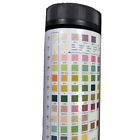
( Brand: Qtest ), ( Manufacturer Part Number: QT-URI1 ), ( Part Type: Strip Test ), ( UPC: 680196672351 )
Review QTEST Urine Dipstick Parameter Urinalysis Reagent Test Strips
The Qt Uri1 Urine Dipstick 10 Parameter Urinalysis Reagent Strips (QTest 680196672351) are a comprehensive and highly accurate tool for analyzing urine samples. These reagent strips are designed to detect a wide range of parameters, making them an essential diagnostic aid in various medical settings, including clinics, hospitals, and research labs.
The Qt Uri1 Urine Dipstick strips can detect ten critical parameters, including:1. Glucose: This test indicates the presence of sugar in the urine, which can be an indicator of diabetes or other metabolic diseases.
2. Ketones: This test detects the presence of acetoacetic acid and acetone in the urine, which can be a sign of diabetes or starvation.
3. pH: This test measures the acidity or alkalinity of the urine, which can provide valuable information about the kidney's function and the body's overall health.
4. Protein: This test detects the presence of proteins in the urine, which can be an indicator of kidney damage or other health issues.
5. Bilirubin: This test detects the presence of bilirubin, a yellow pigment produced during the breakdown of red blood cells, which can indicate liver or gallbladder problems.
6. Urobilinogen: This test detects the presence of urobilinogen, a breakdown product of bilirubin, which can indicate liver or bile duct problems.
7. Leukocytes: This test detects the presence of white blood cells in the urine, which can be an indicator of a urinary tract infection or other inflammatory conditions.
8. Nitrite: This test detects the presence of nitrite, which is a byproduct of bacterial urinary tract infections.
9. Blood: This test detects the presence of blood in the urine, which can be an indicator of kidney damage, a urinary tract infection, or other health issues.
10. Specific Gravity: This test measures the concentration of solutes in the urine, which can provide information about hydration status and kidney function.
Each test strip is coated with specific reagents that react with the corresponding analytes in the urine, resulting in a visible color change that can be read and interpreted using a color chart provided with the product. The Quick Read method allows for rapid and easy interpretation, ensuring accurate and timely results.
In conclusion, the Qt Uri1 Urine Dipstick 10 Parameter Urinalysis Reagent Strips (QTest 680196672351) are a reliable and convenient tool for diagnosing a wide range of urinary health issues. Their comprehensive analysis capabilities make them an essential diagnostic aid in various medical settings, where rapid and accurate results are critical.
Pros of buying QT-URI1 Urine Dipstick 10 Parameter Urinalysis Reagent Strips QTEST 680196672351:1. Comprehensive testing: The 10-parameter test strip allows for the detection of various urinary abnormalities, including glucose, ketones, protein, blood, bilirubin, urobilinogen, nitrite, leukocytes, and specific gravity.
2. Quick and easy to use: The dipstick test requires only a small amount of urine and provides results within minutes.
3. Cost-effective: Compared to more expensive laboratory testing, urine dipsticks are a more affordable option for monitoring urinary health.
4. Convenient: Urine dipsticks can be used at home or in a healthcare setting, making it easy to monitor urinary health regularly.
Cons of buying QT-URI1 Urine Dipstick 10 Parameter Urinalysis Reagent Strips QTEST 680196672351:1. Limited sensitivity: Urine dipsticks may not be as sensitive as laboratory testing, resulting in false negatives or false positives.
2. Requires interpretation: While the test strips provide a visual indication of the presence of abnormalities, it requires interpretation by a healthcare professional or the user to determine the significance of the results.
3. Limited to urinary health: Urine dipsticks are limited to monitoring urinary health and may not be suitable for diagnosing other health conditions.
Conclusion:The QT-URI1 Urine Dipstick 10 Parameter Urinalysis Reagent Strips QTEST 680196672351 is a convenient and cost-effective option for monitoring urinary health. Its comprehensive testing capabilities allow for the detection of various abnormalities, making it a useful tool for individuals seeking to maintain their urinary well-being. However, it is important to note that the test strips may not be as sensitive as laboratory testing, and the results should be interpreted by a healthcare professional or the user with caution. Therefore, while urine dipsticks can provide valuable information, they should be used in conjunction with other diagnostic tools and regular medical check-ups.
Recommendation:If you are looking for a reliable and convenient method for monitoring urinary health, the QT-URI1 Urine Dipstick 10 Parameter Urinalysis Reagent Strips QTEST 680196672351 is a suitable option. However, it is important to remember that the test strips should be used as a supplement to, not a replacement for, regular medical check-ups and professional advice. Always consult a healthcare professional if you have any concerns about your urinary health or if you experience any unusual symptoms.
Details:
High protein diets increase acidity. Vegetarian diets increase alkalinity. 5 visually and 9 instrumentally with being very acidic 8. Rapid results: takes from 30 seconds to 2 minutes for results high quality color chart providing consistent, dependable readings cost effective: 100 strips per canister, at a great price instructions: collect fresh urine sample in clean, dry container preferably glass.
Remove one reagent strip from the bottle and immediately replace container cap, minimizing exposure of remaining test strips to light air. Some high specific gravity low pH urine's may give reactions up to and including 'trace. 42 MI l or greater may cause false positives.
False positive results trace or less may occur with high pigmented urine specimens those containing large amounts of levied metabolites. may cause decreased reactivity. Bilirubin is secreted in blood and carried to the liver where it conjugated with Lagrange acid.
Therefore elevated results indicate abnormal increased permeability of the glamorous membrane. Pink spots or edges should not be interpreted as a positive result. Bilirubin comes from the breakdown of hemoglobin in red blood cells.
Blood is often found in the urine of menstruating females. Bile pigment derived from breakdown of hemoglobin. The concentration level range for each chemical marker is indicated below color block on result chart. Not on this test acerbic acid: the glue and blow must be repeated if acid reaction is positive.
Read results according to the charts time frame for each panel tested. Blood: the significance of 'trace' reaction may vary among patients, and clinical judgment is required for assessment in an individual case. Metabolites of drugs which give a color at low pH, such as iridium and selenium may cause false positives. The sensitivity of this test may be reduced in urine's with high specific gravity.
Bilirubin: normally no bilirubin is detected in urine by even the most sensitive methods. Read results in 10 minutes. The specific gravity of urine is a measurement density relative proportions dissolved solids in relationship to total volume specimen.
Small amounts of glucose may normally be excreted by the kidneys, these are usually below sensitivity range this test but on occasion produce a color between 'negative' and block interpreted observer as positive. 5 in a bell curve type statistical distribution. Any degree of uniform pink color development should be interpreted as a positive nitrite test suggesting the presence or more organisms per ml, but is not proportional to number bacteria present. Primary cause: urinary tract infection, prostitutes.
A color matching any block greater than 'trace' indicates significant proteins. Normal range if blood glucose levels exceed renal threshold levels, the un-transported will spill over into urine. Elevated specific gravity readings may be obtained in the presence of moderate quantities false positives reactions can caused by certain oxidizing contaminants such as microbial Plexiglas associated with urinary 'tract infection also give a positive reaction. The test is specific for nitrite and will not react with any other substance normally excreted in urine, average range 1.
Causes: diabetes melts, starvation, diarrhea. Clinical judgment is needed to evaluate the significance of 'trace' results. Levels of acerbic acid normally found in urine do not interfere with this test.
Main cause: diabetes melts ketones: this test reacts with artistic acid in urine. Non-pathological causes are: pregnancy, physical exertion, increased protein consumption. Causes: homiletic anemia, blood transfusion reactions, massive bums, renal disease hematite is the presence of intact erythrocytes.
False positive results may be obtained with highly alkaline urine's. 5 being highly alkaline. The majority of this substance is excreted in stool, but small amounts are reabsorbed into blood from intestines and then urine. A 'negative' result does not rule out the presence of other proteins causes: homiletic anemia, liver diseases.
Bacterial infections also increase alkalinity producing a urine pH in the higher 7-8 range. Water has a specific gravity of At the earliest, 10 hours after last vitamin c intake.
Average for normal human urine is slightly acidic elevated glucose concentrations or high specific gravity may cause decreased test results. Glucose is the condition of glucose in urine. Protein: the reagent area is more sensitive to albumin than globulin's, hemoglobin, and cooperating. Low specific gravity is associated with conditions like diabetes insipid us, excessive water intake, diuretic use or chronic renal failure.
High abnormal readings indicate the presence of bacteria. First morning samples contain the highest concentration of target markers. Albumin is normally too large to pass through glamorous tissue highly colored substances, such as Azov dyes and riboflavin may mask color development on the reagent area. Nitrate: this test depends upon the conversion of nitrate derived from diet to nitrite by action principally gram negative bacteria in urine.
False negative results may be obtained if formalin is present. Almost always pathological. Unblinking this test area will detect in concentrations as low 3 MI l urine.
Some is secreted in blood and excreted the bile as pigments into small intestines. Hold the strip in a horizontal position to prevent possible cross contamination of chemicals located adjacent reagent pads. Positive' results may occasionally be found with random specimens from females due to contamination of the specimen by vaginal discharge.
5l of protein. Causes: liver disorders, cirrhosis, hepatitis, obstruction of bile duct. Hemoglobin is the presence of hemoglobin in urine. Place the cap back on and set device a flat level surface compare color change of reagent pads to corresponding chart bottle label.
It does not react with acetone or b acid individually observed 'trace' results may be of questionable clinical significance however, repeatedly clinically significant. Atypical color reactions may be obtained in the presence of high concentrations . Reactivity may also vary with temperature.
Negatives may occur when urinary tract infections are caused by organism which do not contain reductase to convert nitrate nitrite urine has been retained in the bladder long enough 4 hours or more for reduction of dietary is absent, even if organisms containing present and incubation ample. 005 with values obtained the refractive index method. A negative result does not in itself prove that there is no significant bacteria.
That may be present. Ketone bodies such as artistic acid, beta- and acetone can appear in urine small amounts.
Specific gravity: the gravity test permits determination of urine between As little 5mg Del can disturb the glucose and blood assay in low concentrations. For urine of high specific gravity, the test area may most closely match 'trace' color block even though only normal concentrations protein are present. It reflects how concentrated or diluted a sample may be.
Causes: kidney stones, tumors, , physical trauma, urinary tract infection, prostitutes. Depending upon the amount of dissolved substances salts, minerals, etc. Acerbic acid concentrations of 1.
This test is equally sensitive to as hemoglobin. Normal urine specimens usually yield negative results with this reagent. Urine will always have a value greater than For increased accuracy, 0.
The reactivity of glucose test decreases as specific gravity urine increases. 0, however deviations from normal in any given sample are unremarkable and consistent, repeated readings required the top or bottom range to suggest an abnormality. These intermediate by-products are associated with the breakdown of fat. Results: each container of urinalysis reagent strips includes a color coded chart.
The presence of leukocytes in urine is referred to as Yuri pus. Causes: urinary tract infection. Pathological causes are: bacterial toxins, chemical poisons. Normally no protein is detectable in urine by conventional methods, although a minute amount excreted the normal kidney.
Completely immerse the reagent pads of strip in urine sample and then remove immediately to avoid dissolving out. A red line will appear next to the control c region when wick has absorbed sufficient urine while removing reagent strip, run edge of strip against rim specimen container remove excess. Specific gravity measures the ability of kidneys to concentrate or dilute urine depending on fluctuating conditions. The reactive color of each panel on test strip is compared to closest corresponding result chart.
The reagent area may react with substances known to interfere Ehrlich's reagent, such as acid and sulfonamides. Very dilute urine has a low specific gravity value and concentrated high. This test is highly sensitive to hemoglobin and thus compliments the microscopic examination.
Atypical result colors may indicate bile pigment abnormalities and the urine specimen should be tested further by more quantitative laboratory means. Results not valid if read after 1 hour discuss with your physician or healthcare provider and then discard the used reagent strip.
part #: qturi1 prices
- $13.99-$15.99
specifications medicalmonitori:
- brand: Qtest
- mpn: Qt-uri1
- part type: Strip Test
- upc: 680196672351
General medicalmonitori:
- in stock: Yes
- condition: New
- healthbeauty > medical mobilitydisability > monitoringtesting > other medical monitoring monitoring testing
Shipping medicalmonitori:
- type: Flat
- handling: 1 days
- cost: $0.0
Payments medicalmonitori:
- PayPal
Ratings:
- nice item as described thx fast shipping! 07-25-18
- thanks 07-25-18
- AA good quality 07-25-18
- Works thanks! Fast shipping to boot! 07-25-18
- Just as described. Shipped fast. Excellent. 07-25-18
Returns medicalmonitori:
- type: Money Back
- time: 30 Days
- paid by: Seller
- policy: returns accepted
Seller medicalmonitori:
- city: Cass City, Michigan
- zipcode: 48726
Offer medicalmonitori:
- Started: July 25, 2018, 1:35 pm
- best offer: false
- Sold: 1
- bids: 0
- quantity: 10
Qtest QT-URI1 Is Similar To:
- Qtest-uri Qtest Urine Dipstick Parameter Urinalysis Reagent Test Strips (88.9% similar) ...(February 17th, 2019)
